Moderated by Stephen Walt, Robert and Renee Belfer Professor of International Affairs, Harvard Kennedy School.
Followed by a book signing at Harvard COOP Bookstore at 1400 Massachusetts Avenue in Harvard Square.
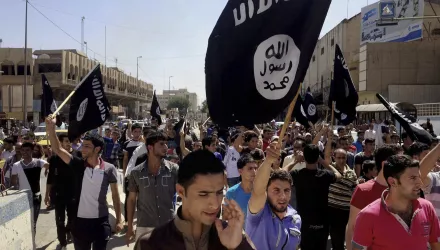
The death of Colonel Muammar Qadhafi in 2011 freed Libya from forty-two years of despotic rule, raising hopes for a new era. But in the aftermath, the country descended into bitter rivalries and civil war, paving the way for the Islamic State and a catastrophic migrant crisis. What went wrong? Based on years of on-the-ground reporting in Libya and interviews with Western policymakers, Middle East scholar Frederic Wehrey will discuss his new book, The Burning Shores: Inside the Battle for the New Libya.
Frederic Wehrey is a senior fellow at the Carnegie Endowment for International Peace. His writing on Libya has appeared in The New Yorker, The Atlantic, The New York Times, and other publications. A U.S. military veteran with tours across the Middle East, he holds a doctorate in international relations from Oxford University. His first book, Sectarian Politics in the Gulf, was chosen as a Best Book on the Middle East by Foreign Affairs magazine. Born and raised in Southern California, he now lives in Washington, D.C.