To compete and thrive in the 21st century, democracies, and the United States in particular, must develop new national security and economic strategies that address the geopolitics of information. In the 20th century, market capitalist democracies geared infrastructure, energy, trade, and even social policy to protect and advance that era’s key source of power—manufacturing. In this century, democracies must better account for information geopolitics across all dimensions of domestic policy and national strategy.
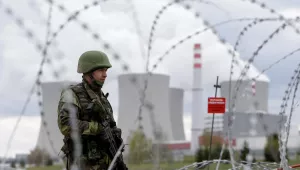
While there is international consensus that the country producing the nuclear waste is responsible for its disposal, policymakers are increasingly turning to the possibility of multinational repositories. Multinational repositories and other arrangements to jointly store or dispose of nuclear waste have evident safety, security, and non-proliferation benefits, but they also bring a number of ethical concerns. By expounding on the latter concerns, the speaker will argue that good governance of multinational repositories would require policynakers to include the emerging ethical issues in decision-making. This brings a number of daunting challenges that will be discussed in the presentation.
Please join us! Coffee and tea provided. Everyone is welcome, but admittance will be on a first come–first served basis.