To compete and thrive in the 21st century, democracies, and the United States in particular, must develop new national security and economic strategies that address the geopolitics of information. In the 20th century, market capitalist democracies geared infrastructure, energy, trade, and even social policy to protect and advance that era’s key source of power—manufacturing. In this century, democracies must better account for information geopolitics across all dimensions of domestic policy and national strategy.
Conventional wisdom suggests that armed nonstate actors benefit from foreign fighters, but the empirical evidence indicates that this is not necessarily the case. Using foreign volunteers is a risky and often costly option, taken by only some rebel groups and terrorist organizations. Why, then, do some armed nonstate actors turn to foreign fighters while others avoid them?
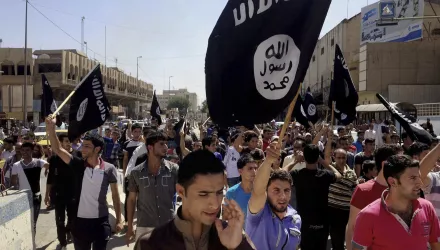
Examining the case of the Islamic State, this seminar presents a theoretical framework to help understand the considerations that shape actors' decisions regarding foreign fighters.
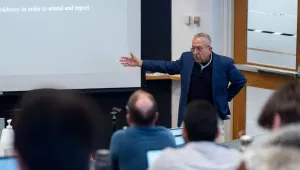
Please join us! Coffee and tea provided. Everyone is welcome, but admittance will be on a first come–first served basis.