Marc Trachtenberg
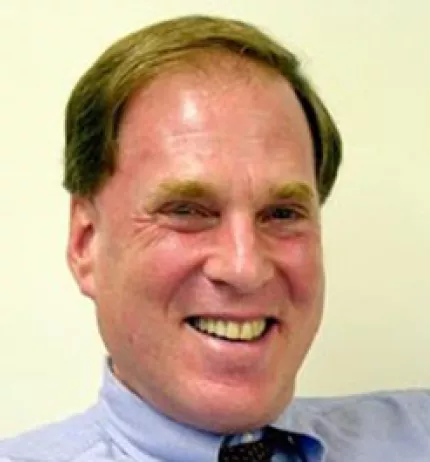
Marc Trachtenberg studies national security strategy, diplomatic history, and international relations. He has been a fellow at the Woodrow Wilson Foundation, the John Simon Guggenheim Foundation, the German Marshall Fund, and the SSRC/MacArthur Foundation. His award-winning book, A Constructed Peace: The Making of the European Settlement, 1945-1963 (Princeton University Press, 1999), explores the profound impact of nuclear weapons on the conduct of international relations during the Cold War, making extensive use of newly opened documentary archives in Europe and the United States. History and Strategy (Princeton University Press, 1991) studies seminal events like the onset of World War I and the Cuban Missile Crisis to shed light on the role of force in international affairs. Professor Trachtenberg teaches courses on the history of international relations, international security, and historical research methods. His web site provides extensive resources for obtaining and interpreting documentary evidence about the Cold War.
-
Editorial Board Member, Quarterly Journal: International Security