Magazine Article - New Scientist
Anatomy of Terror: What Makes Normal People Become Extremists?
It takes more than religious fanaticism or hatred to make someone take innocent lives, but recognise the true roots of ISIS-inspired terror and they can be addressed
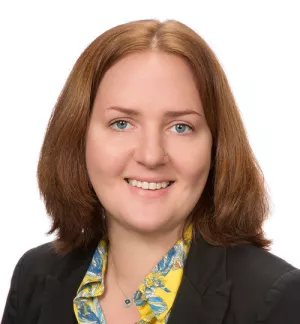
Vera Mironova rides Humvee shotgun through Mosul's shattered cityscape. It is late January 2017. Iraqi prime minister Haider al-Abadi has just declared east Mosul liberated from three years of rule by Islamic State, or ISIS. Most jihadist fighters are dead or captured, or have crossed the Tigris to the west, digging in for a final stand. Left behind, biding their time, are snipers and suicide bombers.
Much of the population has fled to refugee camps on the outskirts. Those who stayed look lost and dazed. Men pull corpses out of houses destroyed by air strikes. Others cobble together street-corner markets, selling meat and vegetables imported from Erbil, 80 kilometres and another world away.
Few women are visible. Mironova stands out, dressed in combat trousers and a Harvard sweatshirt, wisps of blonde hair escaping her blue stocking hat. Despite travelling in an armoured car, she's clearly not a combatant. She's a social scientist, and her job is not to fight, but to listen, learn and record.

Want to Read More?
The full text of this publication is available via the original publication source.
For more information on this publication:
Please contact
International Security
For Academic Citation:
Byrne, Peter. “Anatomy of Terror: What Makes Normal People Become Extremists?” New Scientist, August 16, 2017.
- Recommended
- In the Spotlight
- Most Viewed
Recommended
Analysis & Opinions
- Belfer Center for Science and International Affairs, Harvard Kennedy School
Fearing ISIS in the Shadows
Analysis & Opinions
- Foreign Affairs
Cracks in the Islamic State
Analysis & Opinions
- Foreign Affairs
The New ISIS Insurgency: What Jihadists Do After Losing Territory
In the Spotlight
Most Viewed
Policy Brief
- Quarterly Journal: International Security
The Future of U.S. Nuclear Policy: The Case for No First Use
Discussion Paper
- Belfer Center for Science and International Affairs, Harvard Kennedy School
Why the United States Should Spread Democracy
Vera Mironova rides Humvee shotgun through Mosul's shattered cityscape. It is late January 2017. Iraqi prime minister Haider al-Abadi has just declared east Mosul liberated from three years of rule by Islamic State, or ISIS. Most jihadist fighters are dead or captured, or have crossed the Tigris to the west, digging in for a final stand. Left behind, biding their time, are snipers and suicide bombers.
Much of the population has fled to refugee camps on the outskirts. Those who stayed look lost and dazed. Men pull corpses out of houses destroyed by air strikes. Others cobble together street-corner markets, selling meat and vegetables imported from Erbil, 80 kilometres and another world away.
Few women are visible. Mironova stands out, dressed in combat trousers and a Harvard sweatshirt, wisps of blonde hair escaping her blue stocking hat. Despite travelling in an armoured car, she's clearly not a combatant. She's a social scientist, and her job is not to fight, but to listen, learn and record.

Want to Read More?
The full text of this publication is available via the original publication source.Byrne, Peter. “Anatomy of Terror: What Makes Normal People Become Extremists?” New Scientist, August 16, 2017.
- Recommended
- In the Spotlight
- Most Viewed
Recommended
Analysis & Opinions - Belfer Center for Science and International Affairs, Harvard Kennedy School
Fearing ISIS in the Shadows
Analysis & Opinions - Foreign Affairs
Cracks in the Islamic State
Analysis & Opinions - Foreign Affairs
The New ISIS Insurgency: What Jihadists Do After Losing Territory
In the Spotlight
Most Viewed
Policy Brief - Quarterly Journal: International Security
The Future of U.S. Nuclear Policy: The Case for No First Use
Discussion Paper - Belfer Center for Science and International Affairs, Harvard Kennedy School
Why the United States Should Spread Democracy