Magazine Article - Los Angeles Times
Summit Underscores Obama's Mixed Results on Nuclear Security
The following is an excerpt from aLos Angeles Timesarticle that quotes Senior Fellow William Tobey.
President Obamaconvened more than 50 world leaders in Washington this week hoping that international progress on one of his long-standing policy priorities, nonproliferation, would outlast his administration, but the gathering served mostly to highlight the mixed record of Obama’s nuclear agenda.
At the fourth and final in a series of nuclear security summits started by his administration, Obama touted successes including a reduction in global nuclear stockpiles and the landmark nuclear deal between Iran and six nations. Yet the absence of nuclear superpower Russia from the summit was notable, and Obama and other leaders debated at length how to keep nuclear materials from terrorists, a vexing question that has dogged world leaders since well before Sept. 11.
[....]
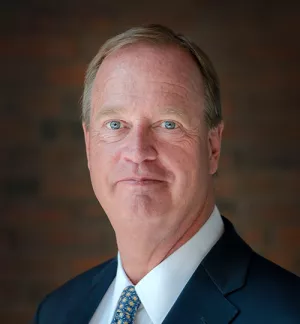
Putin’s absence “creates a big hole,” said William H. Tobey, senior fellow at Harvard University’s Belfer Center for Science and International Affairs.
He outlined several worrisome problems with Russia’s nuclear-security program, including two recent 10% cuts in the Russian federal budget, aging equipment and endemic corruption and organized crime.
The Russian nuclear regulatory agency recently responded to budget cuts by keeping personnel but cutting travel, meaning inspectors cannot go to the plants they should be inspecting, he said.
“Maintenance has not been a hallmark of Russian management,” Tobey said.
Another growing concern, he said, is the rise in Islamic fundamentalism in parts of Russia, including the Caucasus region and, more recently, the Urals, which is also home to some of the country’s most sensitive nuclear installations....
For full article see: http://www.latimes.com/world/la-fg-obama-nuclear-summit-20160401-story.html.

For more information on this publication:
Belfer Communications Office
For Academic Citation:
Memoli, Michael A., Tracy Wilkinson. “Summit Underscores Obama's Mixed Results on Nuclear Security.” Los Angeles Times, April 1, 2016.
- Recommended
- In the Spotlight
- Most Viewed
Recommended
Journal Article
- Quarterly Journal: International Security
Death Dust: The Little-Known Story of U.S. and Soviet Pursuit of Radiological Weapons
Analysis & Opinions
- Bulletin of the Atomic Scientists
Saudi Arabia’s Nuclear Program: Separating Real Concerns from Threat Inflation
Analysis & Opinions
- Quincy Institute For Responsible Statecraft
A US Nuclear Weapons Surge in 2021 Would Have No Strategic Value
In the Spotlight
Most Viewed
Policy Brief
- Quarterly Journal: International Security
The Future of U.S. Nuclear Policy: The Case for No First Use
Discussion Paper
- Belfer Center for Science and International Affairs, Harvard Kennedy School
Why the United States Should Spread Democracy
The following is an excerpt from aLos Angeles Timesarticle that quotes Senior Fellow William Tobey.
President Obamaconvened more than 50 world leaders in Washington this week hoping that international progress on one of his long-standing policy priorities, nonproliferation, would outlast his administration, but the gathering served mostly to highlight the mixed record of Obama’s nuclear agenda.
At the fourth and final in a series of nuclear security summits started by his administration, Obama touted successes including a reduction in global nuclear stockpiles and the landmark nuclear deal between Iran and six nations. Yet the absence of nuclear superpower Russia from the summit was notable, and Obama and other leaders debated at length how to keep nuclear materials from terrorists, a vexing question that has dogged world leaders since well before Sept. 11.
[....]
Putin’s absence “creates a big hole,” said William H. Tobey, senior fellow at Harvard University’s Belfer Center for Science and International Affairs.
He outlined several worrisome problems with Russia’s nuclear-security program, including two recent 10% cuts in the Russian federal budget, aging equipment and endemic corruption and organized crime.
The Russian nuclear regulatory agency recently responded to budget cuts by keeping personnel but cutting travel, meaning inspectors cannot go to the plants they should be inspecting, he said.
“Maintenance has not been a hallmark of Russian management,” Tobey said.
Another growing concern, he said, is the rise in Islamic fundamentalism in parts of Russia, including the Caucasus region and, more recently, the Urals, which is also home to some of the country’s most sensitive nuclear installations....
For full article see: http://www.latimes.com/world/la-fg-obama-nuclear-summit-20160401-story.html.

- Recommended
- In the Spotlight
- Most Viewed
Recommended
Journal Article - Quarterly Journal: International Security
Death Dust: The Little-Known Story of U.S. and Soviet Pursuit of Radiological Weapons
Analysis & Opinions - Bulletin of the Atomic Scientists
Saudi Arabia’s Nuclear Program: Separating Real Concerns from Threat Inflation
Analysis & Opinions - Quincy Institute For Responsible Statecraft
A US Nuclear Weapons Surge in 2021 Would Have No Strategic Value
In the Spotlight
Most Viewed
Policy Brief - Quarterly Journal: International Security
The Future of U.S. Nuclear Policy: The Case for No First Use
Discussion Paper - Belfer Center for Science and International Affairs, Harvard Kennedy School
Why the United States Should Spread Democracy