The Harvard Initiative on Reducing Global Methane Emissions, a research cluster of the Salata Institute for Climate and Sustainability and closely affiliated with the Harvard Project on Climate Agreements, conducted a research workshop in São Paulo, Brazil on December 3, 2025. Thirty Brazilian scientists, policy makers, legals experts, and students participated in the discussion. The workshop was held shortly after the conclusion of the Thirtieth Conference of the Parties (COP-30) of the United Nations Framework Convention on Climate Change (UNFCCC) in Belém, Brazil, and participants devoted a portion of their time reviewing discussions at the COP around methane-emissions abatement.
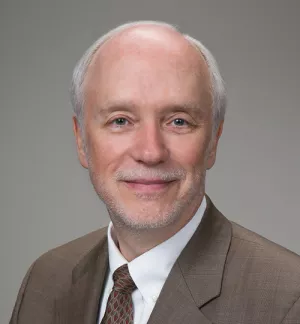
The workshop was co-sponsored by Harvard’s David Rockefeller Center for Latin American Studies (DRCLAS) – Brazil Office and hosted by Insper, a non-profit, private university in São Paulo. Harvard Methane Initiative participants were Daniel Jacob, Vasco McCoy Family Professor of Atmospheric Chemistry and Environmental Engineering; Sarah Hancock, doctoral student in environmental engineering and member of Professor Jacob’s research group who has focused on methane emissions in Latin America; and Robert Stavins, Director of both the Harvard Project on Climate Agreements and the Harvard Methane Initiative.
Resources: For further details on the workshop, see an article posted by DRCLAS – Brazil Office here. The agenda linked at the top of this page includes bios of all speakers and panelists. Also linked above are Harvard speakers’ presentations. Finally, you may read or download a background brief, based on a paper by Sarah Hancock, here.