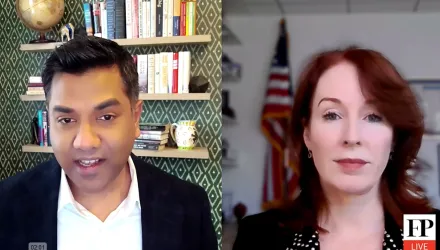
To compete and thrive in the 21st century, democracies, and the United States in particular, must develop new national security and economic strategies that address the geopolitics of information. In the 20th century, market capitalist democracies geared infrastructure, energy, trade, and even social policy to protect and advance that era’s key source of power—manufacturing. In this century, democracies must better account for information geopolitics across all dimensions of domestic policy and national strategy.
This seminar will discuss the idea of the tributary system—most often associated with China's international relations from antiquity—to interpret how the United States relates to the rest of the world. The speaker will argue that the United States has instituted the most successful tributary system that the world has ever seen. As the hub or epicenter of the most extensive network of formal and informal alliances ever built, the United States offers its allies and partners—or tributaries—military protection as well as economic access to its markets. In return for all its exertions, the tribute that the United States seeks is straightforward: first, that it be recognized as the power or hegemon, and second, that others emulate its political forms and ideas. With both tributes in hand, the United States finds equanimity; it and the world are safe, at least from the U.S. point of view.
Please join us! Coffee and tea provided. Everyone is welcome, but admittance will be on a first come–first served basis.