Analysis & Opinions - Belfer Center for Science and International Affairs, Harvard Kennedy School
Reducing Transaction Costs at North America’s Borders
The North American market is a significant driver of U.S. economic activity and competitiveness. Mexico and Canada are the United States’ two biggest export markets, making up over a third of overall U.S. exports valued at more than $580 billion. Imports from both countries contain far higher proportions of American content than goods that are imported from Asia or Europe.
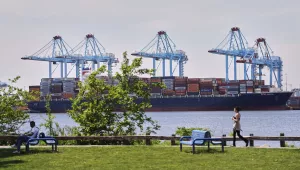
Nonetheless, and even recognizing the new era of North American trade created by the North American Free Trade Agreement, there are still significant logistical constraints to commercial flows within North America, with the result that the United States, Mexico, and Canada are effectively leaving money on the table in terms of competitiveness and job growth. And many of these constraints are tied to the efficiency of the countries’ ports of entry
For more information on this publication:
Belfer Communications Office
For Academic Citation:
Rohrbaugh, Ben and Nate Bruggeman.“Reducing Transaction Costs at North America’s Borders.” Belfer Center for Science and International Affairs, Harvard Kennedy School, March 20, 2018.
- Recommended
- In the Spotlight
- Most Viewed
Recommended
Book
- MIT Press
Beyond 9/11: Homeland Security for the Twenty-First Century
Analysis & Opinions
- The Atlantic
Trump Is the Problem. The Organizational Chart Doesn't Matter.
In the Spotlight
Most Viewed
Policy Brief
- Quarterly Journal: International Security
The Future of U.S. Nuclear Policy: The Case for No First Use
Discussion Paper
- Belfer Center for Science and International Affairs, Harvard Kennedy School
Why the United States Should Spread Democracy
The North American market is a significant driver of U.S. economic activity and competitiveness. Mexico and Canada are the United States’ two biggest export markets, making up over a third of overall U.S. exports valued at more than $580 billion. Imports from both countries contain far higher proportions of American content than goods that are imported from Asia or Europe.
Nonetheless, and even recognizing the new era of North American trade created by the North American Free Trade Agreement, there are still significant logistical constraints to commercial flows within North America, with the result that the United States, Mexico, and Canada are effectively leaving money on the table in terms of competitiveness and job growth. And many of these constraints are tied to the efficiency of the countries’ ports of entry
- Recommended
- In the Spotlight
- Most Viewed
Recommended
Book - MIT Press
Beyond 9/11: Homeland Security for the Twenty-First Century
Analysis & Opinions - The Atlantic
Trump Is the Problem. The Organizational Chart Doesn't Matter.
In the Spotlight
Most Viewed
Policy Brief - Quarterly Journal: International Security
The Future of U.S. Nuclear Policy: The Case for No First Use
Discussion Paper - Belfer Center for Science and International Affairs, Harvard Kennedy School
Why the United States Should Spread Democracy