Presentation
Strengthening Regional Cooperation on Nuclear Safety in the Asia-Pacific
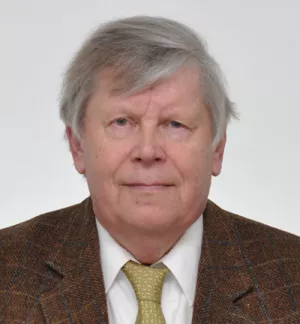
Dr Olli Heinonen, S. Rajaratnam Professor of Strategic Studies, on 25 October 2016, in a RSIS seminar at the Nanyang Technological University, Singapore.
The role of nuclear power in reducing greenhouse gas emissions is gaining wider recognition. With 441 reactors operating at the end of 2015, nuclear power is making a sizeable contribution to climate change mitigation by avoiding nearly 2 billion tonnes of carbon dioxide every year. The 21st Conference of the Parties to the United Nations Framework Convention on Climate Change (COP21)’s Paris Agreement neither identifies nor excludes any particular form of energy, recognizing states’ pejorative to decide on the mix of their energy portfolio. The Paris agreement concurrently supports energy use that combats climate change and its effects.
According to IAEA projections for 2030, global nuclear energy capacity, which takes into account retirements of older nuclear plants, will grow about 2% in the low case and about 70% in the high case. The pivot of this growth is in Asia. Of the 68 reactors under construction at the end of 2015, 45 were in Asia, as were 39 of the 45 reactors that were connected to the electric grid since 2005.
To view full text, please see PDF below.
For more information on this publication:
Please contact
Managing the Atom
For Academic Citation:
Heinonen, Olli. “Strengthening Regional Cooperation on Nuclear Safety in the Asia-Pacific.” Presentation, October 25, 2016. (presented at RSIS seminar at the Nanyang Technological University, Singapore).
- Recommended
- In the Spotlight
- Most Viewed
Recommended
Policy Brief
The Future of Carbon Offset Markets
Newspaper Article
- Harvard Crimson
HKS Prof. Aldy Talks Clean Energy, Economic Policy at Belfer Center Webinar
News
- Harvard Project on Climate Agreements
Joseph Aldy Shares his Thoughts on Incorporating Green Energy into an Economic Stimulus Package: Lessons Learned from the 2009 Recovery Act
In the Spotlight
Most Viewed
Policy Brief
- Quarterly Journal: International Security
The Future of U.S. Nuclear Policy: The Case for No First Use
Discussion Paper
- Belfer Center for Science and International Affairs, Harvard Kennedy School
Why the United States Should Spread Democracy
Report
- Belfer Center for Science and International Affairs
David Petraeus on Strategic Leadership
Dr Olli Heinonen, S. Rajaratnam Professor of Strategic Studies, on 25 October 2016, in a RSIS seminar at the Nanyang Technological University, Singapore.
The role of nuclear power in reducing greenhouse gas emissions is gaining wider recognition. With 441 reactors operating at the end of 2015, nuclear power is making a sizeable contribution to climate change mitigation by avoiding nearly 2 billion tonnes of carbon dioxide every year. The 21st Conference of the Parties to the United Nations Framework Convention on Climate Change (COP21)’s Paris Agreement neither identifies nor excludes any particular form of energy, recognizing states’ pejorative to decide on the mix of their energy portfolio. The Paris agreement concurrently supports energy use that combats climate change and its effects.
According to IAEA projections for 2030, global nuclear energy capacity, which takes into account retirements of older nuclear plants, will grow about 2% in the low case and about 70% in the high case. The pivot of this growth is in Asia. Of the 68 reactors under construction at the end of 2015, 45 were in Asia, as were 39 of the 45 reactors that were connected to the electric grid since 2005.
To view full text, please see PDF below.
- Recommended
- In the Spotlight
- Most Viewed
Recommended
Policy Brief
The Future of Carbon Offset Markets
Newspaper Article - Harvard Crimson
HKS Prof. Aldy Talks Clean Energy, Economic Policy at Belfer Center Webinar
News - Harvard Project on Climate Agreements
Joseph Aldy Shares his Thoughts on Incorporating Green Energy into an Economic Stimulus Package: Lessons Learned from the 2009 Recovery Act
In the Spotlight
Most Viewed
Policy Brief - Quarterly Journal: International Security
The Future of U.S. Nuclear Policy: The Case for No First Use
Discussion Paper - Belfer Center for Science and International Affairs, Harvard Kennedy School
Why the United States Should Spread Democracy
Report - Belfer Center for Science and International Affairs
David Petraeus on Strategic Leadership