What Is Soft Power?
Soft power is a country’s ability to influence others through attraction and persuasion. While hard power relies on military force or economic pressure, soft power draws on the appeal of a country’s culture, political ideals, and policies.
This educational resource hub explores what soft power means, how it works, and why it matters. Drawing on Joseph Nye’s own work and multimedia resources from across Harvard Kennedy School, the collection offers explainers and expert perspectives on soft power in practice.
Last updated: Nov 4, 2026, 12:39pm
Introduction
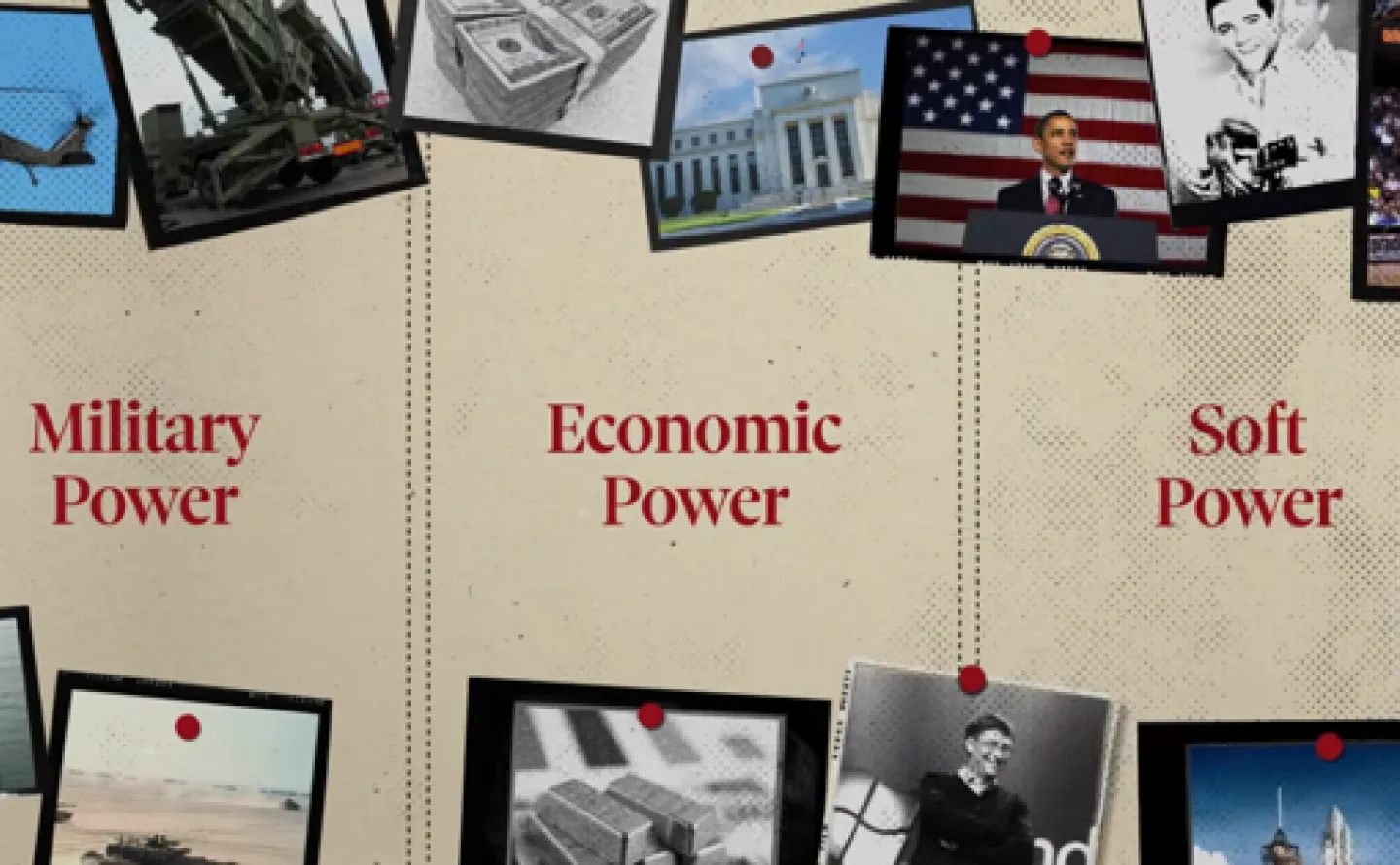
Military strength and economic power are the most visible forms of international influence. States can threaten force, impose sanctions, offer aid, or use market access to shape the behavior of others. But there is another way to get what you want: make others want what you want.
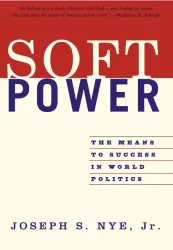
Joseph S. Nye Jr. coined the term “soft power” in 1990 to describe this dimension of power. In Soft Power: The Means to Success in World Politics, he defined it as “the ability to get what you want through attraction rather than coercion or payments.” Soft power comes from the attractiveness of a country's culture, political values, and foreign policies—and, critically, from whether others see those policies as legitimate.
Soft power matters because governments rarely achieve their goals through force alone. Alliances, diplomacy, international institutions, and responses to challenges such as climate change and emerging technologies all depend on cooperation. In an increasingly competitive information environment, credibility and legitimacy can be sources of power in their own right. U.S.-China competition is not only a contest over military capabilities and economic strength, but also over whose institutions, ideas, technologies, and models of governance others find credible or attractive. The war in Ukraine has underscored the importance of maintaining coalitions whose members voluntarily sustain costly policies. Climate change and other transnational problems likewise cannot be addressed through military power alone.
“Soft power is not weakness. It is a form of power.”
-- Joseph S. Nye Jr., in Soft Power: The Means to Success in World Politics
Origins and Evolution
Nye introduced soft power in Bound to Lead: The Changing Nature of American Power (1990), arguing that conventional measures of power overlooked the ability to shape others’ preferences through attraction. He developed the concept further in The Paradox of American Power (2002) and Soft Power: The Means to Success in World Politics (2004).
The distinction is straightforward:
- Hard power uses coercion and payment—military force, threats, sanctions, or inducements.
- Soft power works through attraction and co-option.
- Smart power combines the two.
“Smart power is neither hard nor soft. It is both.”
-- Joseph S. Nye Jr., in Soft Power: The Means to Success in World Politics
Soft power is therefore not an alternative to hard power. It is another way of producing influence—and one that can make other forms of power more effective.
Sources of Soft Power
Nye identifies three primary sources of soft power: culture, political values, and foreign policy.
- Culture: Popular culture, education, science, literature, and the arts can all create attraction. But Nye cautions against equating soft power with cultural popularity. A country's movies, music, or consumer brands may be attractive without translating into political influence.
- Political values: Democracy, human rights, liberty, and openness can attract others—but only when a country is seen as living up to those values. Perceived hypocrisy can undermine the very attraction those values create.
- Foreign policy: Foreign policy can generate soft power when others see it as legitimate and possessing moral authority. This makes policy itself a source of attraction—or repulsion. Nye's analysis of the Iraq War, for example, argued that the exercise of U.S. hard power came with significant costs to American soft power.
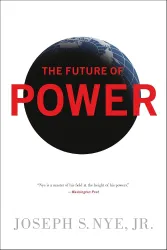
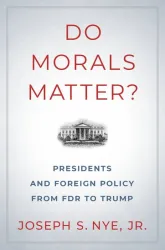
Required Reading
Spanning seminal foundational texts by Joe Nye to modern critiques and global applications

Examples of Soft Power in International Relations
How does soft power work in practice? These five examples illustrate Joseph S. Nye Jr.’s concept of influence through attraction and persuasion. They explore how cultural influence, educational exchanges, foreign aid, and diplomacy can build trust, strengthen international relationships, and shape a country’s global standing. They also reveal how controversial foreign policies can erode that appeal, making it harder to secure cooperation. Together, these examples show why soft power matters in international relations and how it interacts with military and economic strength.



The Cold War: Western Culture and the Fall of the Berlin Wall
The Cold War was a contest of ideas as well as military strength. Western music, films, consumer culture, and broadcasts offered people behind the Iron Curtain a glimpse of different freedoms and opportunities. Nye argued that this cultural appeal helped undermine Soviet authority from within. The fall of the Berlin Wall in 1989 illustrates how soft power can complement military and economic pressure by changing what people want for their own societies.
Educational and Cultural Exchanges: Building Influence Through People
International education and cultural exchange programs, including Fulbright scholarships, can build relationships that shape attitudes for decades. Students and scholars encounter another country’s people, institutions, and ideas firsthand, often bringing those experiences into future leadership roles. Nye highlighted Alexander Yakovlev, a Soviet exchange student at Columbia University who later helped shape Mikhail Gorbachev’s reforms. These exchanges demonstrate how soft power develops over time through personal connections and mutual understanding.
The Marshall Plan: Foreign Aid and American Soft Power
The Marshall Plan helped rebuild Western Europe after World War II while strengthening America’s reputation as a partner in recovery. Its significance extended beyond the economic value of U.S. assistance: it demonstrated a commitment to Europe’s future and helped build goodwill toward American leadership. The program illustrates how foreign aid can generate soft power when recipients see it as a credible expression of shared interests and values.
The Iraq War: How Foreign Policy Can Weaken Soft Power
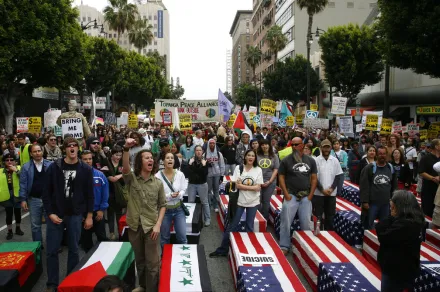
The 2003 invasion of Iraq illustrates how military action can erode a country’s soft power. Nye argued that international opposition to the war damaged America’s credibility and made cooperation more difficult. Turkey’s refusal to allow U.S. troops to invade through its territory showed how unfavorable public opinion could constrain military operations. The lesson: perceptions of legitimacy matter, and military strength alone cannot secure trust or lasting international support.
Norway: How Small Countries Build Global Influence
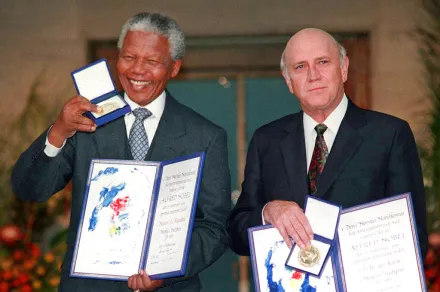
Soft power gives smaller countries opportunities to exercise influence beyond their military or economic size. Nye pointed to Norway’s involvement in peace negotiations and international development assistance as sources of diplomatic credibility and access. By developing a reputation for contributing to shared international goals, Norway gained a voice in issues far beyond its borders. Its example shows how a country’s foreign policy and commitment to cooperation can become sources of global influence.
Soft Power Explained | Diplomacy, Culture & Global Influence
Scholars and practitioners examine Joseph S. Nye Jr.’s concept of soft power and its implications for American foreign policy, U.S.-China competition, national security, and international cooperation.
"There's no question that the United States exaggerates its own soft power, and the best evidence for that is just to compare what Americans think their role in the world is and what other countries think America's role in the world is."
The Limits of Soft Power in International Relations

The Limits of Soft Power in International Relations

JFK’s Soft Power: The Peace Corps & Public Diplomacy

Local Soft Power: Trust & Disaster Resilience

Is Soft Power Always Good? Persuasion & Influence
China’s Soft Power: Can Beijing Win Global Admiration?

How Movies Shape World Politics
How Soft Power Strengthened Nuclear Security

Soft Power in U.S.-China Competition: AI & Talent

Soft Power and Public Diplomacy: Why Listening Comes First

American Soft Power in the 20th Century
Critiques and Misconceptions
Soft power is not simply influence
Influence can come from threats, payments, or persuasion. Soft power specifically refers to attraction—getting others to want outcomes similar to those you seek.
Soft power is not popularity
A country can be admired without getting the policy outcomes it wants. Polls can measure attraction, but whether that attraction actually changes behavior must be assessed case by case.
It is not limited to great powers
States of all sizes can cultivate soft power, as can universities, companies, NGOs, and other nonstate actors. Nye anticipated that these actors would become increasingly important as information networks crossed national borders.

The End of America’s Soft Power?
In May 2026, Professor Stephen Walt analyzes U.S. President Donald Trump's approach to foreign policy. "Under Trump 2.0, the belief that hard power is all you need is abundantly apparent," he writes in Foreign Policy.
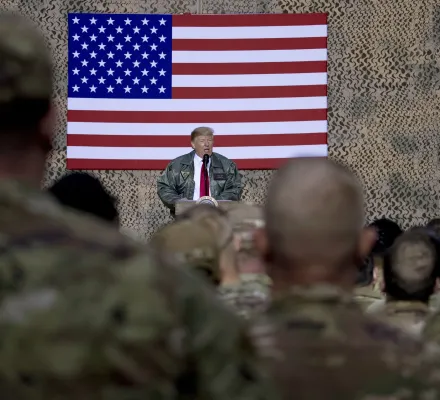
American Soft Power, Today
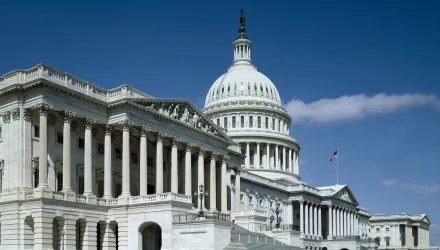

Joseph Nye and the End of the American Century

Foreign Aid Looks Good Now That It’s Gone
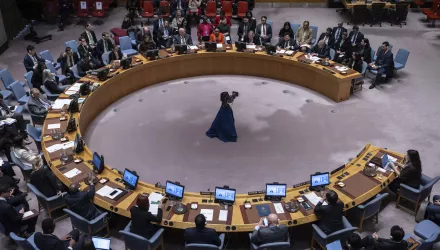
Why Great Powers Compete to Control International Institutions
From International Security Program
"Power has three dimensions, and by ignoring attraction, Trump is neglecting a key source of American strength. In the long run, it is a losing strategy."

The Future of Soft Power
AI, digital diplomacy, and influence
Nye's original argument has become particularly relevant as information has become more abundant, decentralized, and contested.
He anticipated that the information revolution would create transnational networks in which governments were no longer the only important actors. Corporations, NGOs, and other organizations would develop soft power of their own, while credibility and the ability to communicate—and to be believed—would become increasingly important sources of influence.
That logic applies directly to today's digital environment. AI-generated content, social media, digital diplomacy, and increasingly fragmented information ecosystems have lowered the barriers to producing and distributing narratives. They have also made credibility more valuable and more difficult to establish.
The question for states is therefore no longer simply who has the largest communications apparatus. It is increasingly who is trusted, by whom, and why?
The Global South perspective
Soft power also looks different when viewed from outside the traditional centers of Western power.
Countries in Africa, Asia, Latin America, and the Middle East are not simply audiences for American, Chinese, or European influence. They have their own interests, institutions, cultural resources, and diplomatic networks—and increasingly expect a role in shaping the rules of emerging technologies and global governance.
The debate over AI governance illustrates this shift. At the 2026 UN General Assembly, developing countries called for a greater role in determining the future of AI rather than simply adopting standards developed elsewhere.
That has implications for soft power. Attraction depends not only on what a country says, but on whether others see themselves as participants in the system it is trying to lead.
Opportunities for U.S. leadership
For the United States, the enduring lesson of Nye's framework is not that hard power has become obsolete. It is that material power alone is insufficient for many of the problems that define contemporary international politics.
The United States retains substantial sources of attraction: its universities, scientific and technological institutions, cultural industries, civil society, alliances, and longstanding role in international institutions. But these resources are not automatically convertible into influence. They depend on credibility, legitimacy, and the willingness of others to cooperate.
Nye's argument ultimately returns foreign policy to a deceptively simple question: how do you get others to work with you when you cannot compel them to do so?
In an increasingly networked world, the answer is unlikely to be found in either hard or soft power alone. It lies in understanding how they interact—and in recognizing that a country's capacity to lead depends not only on what it can make others do, but on what it can make others want to do.
“The ability to share information—and to be believed—becomes an important source of attraction and power.”
-- Joseph S. Nye Jr., in Soft Power: The Means to Success in World Politics