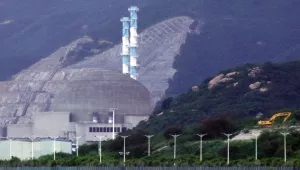
China’s Nuclear Power Industry after Fukushima and China's Nuclear Safety Practices
In response to the Fukushima accident, China is strengthening its nuclear safety at reactors in operation, under construction and in preparation, including efforts to improve nuclear safety regulations and guidelines based on lessons learned from the accident. Although China is one of the major contributors in the global nuclear expansion, China's nuclear power industry is relatively young. Its nuclear safety regulators are less experienced compared to those in other major nuclear power countries. To realize China's resolute commitment to rapid growth of safe nuclear energy, detailed analyses of its nuclear safety regulatory system are required. This talk explores China's governmental activities and future nuclear development after Fukushima accidents and China's nuclear safety regulations and practices. Issues and challenges are also identified for policymakers, regulators, and industry professionals.