Presentation - Energy Technology Innovation Policy Project, Belfer Center
Equity and Climate Policy: An Allocation Method Based on Individual Emissions
Presentation at ETIP seminar series
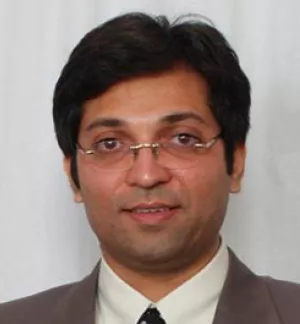
The speakers presented a new framework for allocation of a global carbon reduction target among nations, in which "common but differentiated responsibilities" refers to the emissions of individuals, rather than of nations. Their scheme is designed to blend parsimony, fairness, and pragmatism - one rule for everyone. All those with the same emissions are treated equally, wherever they live. "High emitters" are defined as those whose emissions exceed a universal individual emissions cap, which is derived transparently from a global emissions target. National targets are derived by summing the excess emissions of all "high emitter" individuals in a country. Nations are free to determine the policies they need to meet these targets, but policies that pursue emissions reduction across a wide swath of a country's economy is preferable to those that address only the emissions of the country's high emitters.
For more information on this publication:
Please contact
Energy Technology Innovation Policy
For Academic Citation:
Chakravarty, Shoibal, Ananth Chikkatur, and Massimo Tavoni. “Equity and Climate Policy: An Allocation Method Based on Individual Emissions.” Presentation, Energy Technology Innovation Policy Project, Belfer Center, October 7, 2008. (presented at ETIP seminar series, Cambridge, Massachusetts).
- Recommended
- In the Spotlight
- Most Viewed
Recommended
Announcement
Announcing the Launch of Climate@HKS
News
- Harvard Project on Climate Agreements
Nobel Prize–Winning Economist Joseph Stiglitz Discusses Carbon Pricing and the Green Economy Transition in HPCA Virtual Forum
Analysis & Opinions
- ArcticToday
An Arctic Innovation Hub Could Help the Region Adapt to Climate Change
In the Spotlight
Most Viewed
Policy Brief
- Quarterly Journal: International Security
The Future of U.S. Nuclear Policy: The Case for No First Use
Discussion Paper
- Belfer Center for Science and International Affairs, Harvard Kennedy School
Why the United States Should Spread Democracy
Report
- Belfer Center for Science and International Affairs
David Petraeus on Strategic Leadership
The speakers presented a new framework for allocation of a global carbon reduction target among nations, in which "common but differentiated responsibilities" refers to the emissions of individuals, rather than of nations. Their scheme is designed to blend parsimony, fairness, and pragmatism - one rule for everyone. All those with the same emissions are treated equally, wherever they live. "High emitters" are defined as those whose emissions exceed a universal individual emissions cap, which is derived transparently from a global emissions target. National targets are derived by summing the excess emissions of all "high emitter" individuals in a country. Nations are free to determine the policies they need to meet these targets, but policies that pursue emissions reduction across a wide swath of a country's economy is preferable to those that address only the emissions of the country's high emitters.
- Recommended
- In the Spotlight
- Most Viewed
Recommended
Announcement
Announcing the Launch of Climate@HKS
News - Harvard Project on Climate Agreements

Nobel Prize–Winning Economist Joseph Stiglitz Discusses Carbon Pricing and the Green Economy Transition in HPCA Virtual Forum
Analysis & Opinions - ArcticToday
An Arctic Innovation Hub Could Help the Region Adapt to Climate Change
In the Spotlight
Most Viewed
Policy Brief - Quarterly Journal: International Security
The Future of U.S. Nuclear Policy: The Case for No First Use
Discussion Paper - Belfer Center for Science and International Affairs, Harvard Kennedy School
Why the United States Should Spread Democracy
Report - Belfer Center for Science and International Affairs
David Petraeus on Strategic Leadership