

Intelligence Essentials
Explore the Intelligence Project's work on the foundations of intelligence through research, explainers, events, and work exploring how the intelligence community functions.
Explainer Articles & Student Engagement
Intelligence Essentials.

Covering the Essentials
Core Concepts, Systems, and Applications of Intelligence
-
-
 Reports & Papers
Intelligence Community Ethical Practice
-
 Reports & Papers
Countering Terrorism With "Blue Sky" Thinking
-
 Reports & Papers
Report - 9/11: Intelligence and National Security Twenty Years Later
-

-

-

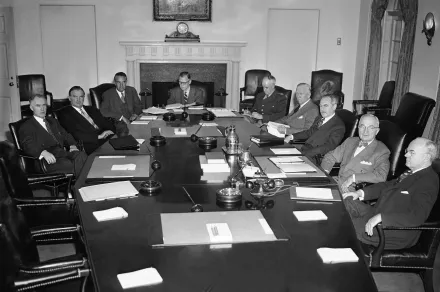
Imagining a New National Security Act
Imagine if you woke up tomorrow to news of a massive cyberattack that irreparably damaged financial markets and shut down critical infrastructure, a significant conventional defeat due to strategic surprise like happened at Pearl Harbor, or the release of a manufactured pathogen that marks the beginning of a new global pandemic. If any of these national emergencies occurred, you would want to feel confident that the U.S. has in place a solid national security structure and coordinated plan to handle them.
The Intelligence and Applied History Projects at the Belfer Center hosted a conference focusing on the need for—and potential makings of—a new National Security Act for the United States, as we mark 75 years since the current act was passed in 1947. The conference focused on the main challenges facing the existing intelligence and national security mechanisms in the United States and discussed possible mitigation strategies to ensure that the U.S. has the people, structure, systems, integration, legal authority, and partnerships needed to protect national interests in the years ahead.
Intelligence Throughout History
Impacts, changes, and reflections over time




Forging a Democratic Decision Advantage
The UKUSA 1946 Agreement was a more formal document that served as the bedrock of what became the ‘Five Eyes’ alliance of the U.S., U.K., Canada, Australia, and New Zealand. Over subsequent decades, allies possessing shared geopolitical interests and democratic values relied upon complementary, individual operational strengths for the shared benefit of the alliance overall.