
Program on Diplomacy and Statecraft
-
Faculty Chair
-
Staff
About The Program
We live in a time of great power competition, an unstable world order, and wide-ranging global challenges from climate change to tariff wars. The United States and world need creative and effective diplomacy to chart a more stable and peaceful international order.
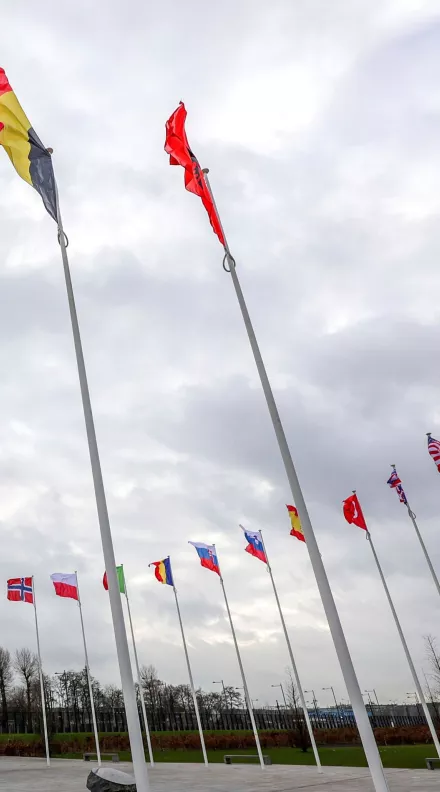
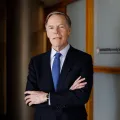
Founded by Ambassador Nicholas Burns, the Program on Diplomacy and Statecraft serves as a global hub for advancing the practice and study of diplomacy, negotiation, and statecraft. It is distinguished by its rare access to the world’s most senior decision-makers -- leaders whose first-hand experience cannot be replicated in traditional academic settings. By bringing these practitioners into sustained engagement with Harvard students and faculty, the Program aims to strengthen the Kennedy School’s teaching and research, advance public understanding of diplomacy’s role in the world, and prepare the next generation of diplomats for the tests ahead.
The Latest
Get the most recent news and insights from our experts.
-
-
-

-
 In The News
The China Challenge
-
-
 In The News
RIP The US State Department
-
-

Core Workstreams
-
American Secretaries of State Project
Explore the initiative to dateA one-of-a kind initiative capturing insights from all living former U.S. Secretaries of State on leadership and decision-making.
-
U.S.–China Relations and Strategic Competition in the Indo-Pacific Project
Features speakers, fellows, and an annual conference on the U.S.-China relationship.
-
The Fisher Family Fellowship Program
Co-hosted by Belfer Center Director Professor Meghan L. O’Sullivan, which will host distinguished presidents, prime ministers, and diplomats at Harvard.
-
The Future of U.S. Diplomacy Project
Develops practical recommendations to strengthen and modernize the U.S. diplomatic corps.
-
The Cultural Diplomacy Project
Explores the importance of music, art, and cultural heritage on modern diplomacy.
-
Ready to Serve
Examines how senior officials are advised and how decisions are made at the highest levels of government.
Upcoming Events
Events by the Program on Diplomacy and Statecraft aim to strengthen the Kennedy School’s teaching and research, advance public understanding of diplomacy’s role in the world, and prepare the next generation of diplomats for tests ahead.