Analysis & Opinions - TIME / time.com
A Blueprint for Preventing Nuclear Terrorism
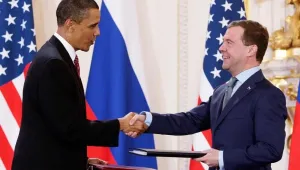
This week, leaders or senior officials from 54 countries and four international organizations met in Seoul, South Korea for a summit on keeping nuclear weapons and their essential materials out of the hands of terrorists. Today’s terrorists have global reach, so that mission rightly requires a broad international effort. But the United States and Russia possess 95% of the world’s nuclear weapons and most of the world’s weapons-usable nuclear material, and so bear a special responsibility for preventing nuclear terrorism. Unfortunately, both countries missed an opportunity in Seoul – neither committed to major new steps to strengthen nuclear security at home beyond the steps they were already taking, nor did they announced any new joint initiatives. That must change.
Russia has the largest stockpiles of nuclear weapons and weapons-usable nuclear material in the world, located in the largest number of buildings and bunkers. Most of the known arrests related to theft or smuggling of highly enriched uranium (HEU)—the easiest material for terrorists to use to make a nuclear bomb—have occurred in Russia or in nearby countries, including the arrest last year in Moldova of a gang of HEU smugglers allegedly working for a Russian businessman. Having recovered from the chaos following the collapse of the Soviet Union, Russia has dramatically improved security and accounting measures for its nuclear weapons and materials, with billions of dollars of U.S. help. But weaknesses remain. In the United States, a U.S Air Force flight that unknowingly carried six live nuclear weapons across the country in 2007 made clear that improvements are needed at home as well.
Read the whole article at TIME.com: http://ideas.time.com/2012/03/30/a-blueprint-for-preventing-nuclear-terrorism/

For more information on this publication:
Please contact
Managing the Atom
For Academic Citation:
Bunn, Matthew and Eben Harrell.“A Blueprint for Preventing Nuclear Terrorism.” TIME / time.com, March 30, 2012.
- Recommended
- In the Spotlight
- Most Viewed
Recommended
Journal Article
- Quarterly Journal: International Security
The Stopping Power of Norms: Saturation Bombing, Civilian Immunity, and U.S. Attitudes toward the Laws of War
Analysis & Opinions
- Quincy Institute For Responsible Statecraft
A US Nuclear Weapons Surge in 2021 Would Have No Strategic Value
Journal Article
- CSS Policy Perspectives
Arms Control: For and By Europe
In the Spotlight
Most Viewed
Policy Brief
- Quarterly Journal: International Security
The Future of U.S. Nuclear Policy: The Case for No First Use
Discussion Paper
- Belfer Center for Science and International Affairs, Harvard Kennedy School
Why the United States Should Spread Democracy
Report
- Belfer Center for Science and International Affairs
David Petraeus on Strategic Leadership
This week, leaders or senior officials from 54 countries and four international organizations met in Seoul, South Korea for a summit on keeping nuclear weapons and their essential materials out of the hands of terrorists. Today’s terrorists have global reach, so that mission rightly requires a broad international effort. But the United States and Russia possess 95% of the world’s nuclear weapons and most of the world’s weapons-usable nuclear material, and so bear a special responsibility for preventing nuclear terrorism. Unfortunately, both countries missed an opportunity in Seoul – neither committed to major new steps to strengthen nuclear security at home beyond the steps they were already taking, nor did they announced any new joint initiatives. That must change.
Russia has the largest stockpiles of nuclear weapons and weapons-usable nuclear material in the world, located in the largest number of buildings and bunkers. Most of the known arrests related to theft or smuggling of highly enriched uranium (HEU)—the easiest material for terrorists to use to make a nuclear bomb—have occurred in Russia or in nearby countries, including the arrest last year in Moldova of a gang of HEU smugglers allegedly working for a Russian businessman. Having recovered from the chaos following the collapse of the Soviet Union, Russia has dramatically improved security and accounting measures for its nuclear weapons and materials, with billions of dollars of U.S. help. But weaknesses remain. In the United States, a U.S Air Force flight that unknowingly carried six live nuclear weapons across the country in 2007 made clear that improvements are needed at home as well.
Read the whole article at TIME.com: http://ideas.time.com/2012/03/30/a-blueprint-for-preventing-nuclear-terrorism/

- Recommended
- In the Spotlight
- Most Viewed
Recommended
Journal Article - Quarterly Journal: International Security
The Stopping Power of Norms: Saturation Bombing, Civilian Immunity, and U.S. Attitudes toward the Laws of War
Analysis & Opinions - Quincy Institute For Responsible Statecraft
A US Nuclear Weapons Surge in 2021 Would Have No Strategic Value
Journal Article - CSS Policy Perspectives
Arms Control: For and By Europe
In the Spotlight
Most Viewed
Policy Brief - Quarterly Journal: International Security
The Future of U.S. Nuclear Policy: The Case for No First Use
Discussion Paper - Belfer Center for Science and International Affairs, Harvard Kennedy School
Why the United States Should Spread Democracy
Report - Belfer Center for Science and International Affairs
David Petraeus on Strategic Leadership