Paper - Institute for Nuclear Materials Management
Reducing Nuclear and Radiological Terrorism Threats
Institute for Nuclear Materials Management 48th Annual Meeting, Tucson, Arizona, 8-12 July 2007
Abstract
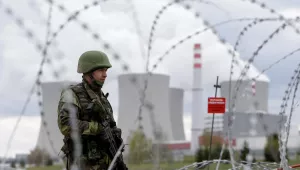
Urgent actions are needed to prevent a nuclear or radiological 9/11. Terrorists are actively seeking nuclear weapons and Radiological Dispersal Devices (RDDs) and the materials to make them. There are scores of sites where the essential ingredients of nuclear weapons exist, in dozens of countries worldwide. There are thousands of sites worldwide where radiological materials exist. Many of these sites are not sufficiently secured to defeat the kinds of threats that terrorists and criminals have demonstrated they can pose. A dangerous gap remains between the urgency of the threat of nuclear and radiological terrorism and the scope and pace of the U.S. and world response. While the gap has narrowed significantly in recent years, much more needs to be done. This paper describes the nuclear and radiological terrorism threats, analyzes the actions taken so far to address these threats, and recommends further actions going forward.

For more information on this publication:
Please contact
Managing the Atom
For Academic Citation:
Bunn, Matthew and Tom Bielefeld. “Reducing Nuclear and Radiological Terrorism Threats.” Paper, Institute for Nuclear Materials Management, July 2007. (presented at Institute for Nuclear Materials Management 48th Annual Meeting, Tucson, Arizona).
- Recommended
- In the Spotlight
- Most Viewed
Recommended
Analysis & Opinions
- The Hill
Hiroshima 75 Years Later: The Fallout Continues
Analysis & Opinions
- At the Brink
At the Brink: Loose Nukes
Paper
- Institute for Nuclear Materials Management
IAEA Nuclear Security Recommendations (INFCIRC/225): The Next Generation
In the Spotlight
Most Viewed
Policy Brief
- Quarterly Journal: International Security
The Future of U.S. Nuclear Policy: The Case for No First Use
Discussion Paper
- Belfer Center for Science and International Affairs, Harvard Kennedy School
Why the United States Should Spread Democracy
Report
- Belfer Center for Science and International Affairs
David Petraeus on Strategic Leadership
Abstract
Urgent actions are needed to prevent a nuclear or radiological 9/11. Terrorists are actively seeking nuclear weapons and Radiological Dispersal Devices (RDDs) and the materials to make them. There are scores of sites where the essential ingredients of nuclear weapons exist, in dozens of countries worldwide. There are thousands of sites worldwide where radiological materials exist. Many of these sites are not sufficiently secured to defeat the kinds of threats that terrorists and criminals have demonstrated they can pose. A dangerous gap remains between the urgency of the threat of nuclear and radiological terrorism and the scope and pace of the U.S. and world response. While the gap has narrowed significantly in recent years, much more needs to be done. This paper describes the nuclear and radiological terrorism threats, analyzes the actions taken so far to address these threats, and recommends further actions going forward.

- Recommended
- In the Spotlight
- Most Viewed
Recommended
Analysis & Opinions - The Hill
Hiroshima 75 Years Later: The Fallout Continues
Analysis & Opinions - At the Brink
At the Brink: Loose Nukes
Paper - Institute for Nuclear Materials Management
IAEA Nuclear Security Recommendations (INFCIRC/225): The Next Generation
In the Spotlight
Most Viewed
Policy Brief - Quarterly Journal: International Security
The Future of U.S. Nuclear Policy: The Case for No First Use
Discussion Paper - Belfer Center for Science and International Affairs, Harvard Kennedy School
Why the United States Should Spread Democracy
Report - Belfer Center for Science and International Affairs
David Petraeus on Strategic Leadership