Journal Article - Bulletin of the Atomic Scientists
Nuclear Weapons 2011: Momentum Slows, Reality Returns
Doomsday Clock Issue
Abstract
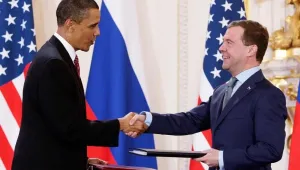
If 2010 was the year of successes and landmarks for arms control, 2011 was the year that the momentum of the new era slowed, and hard realities were made apparent. By the end of the year, the Comprehensive Nuclear Test Ban Treaty had not been ratified or even seriously discussed, and negotiations on the Fissile Materials Cut-off Treaty remained stuck in the Conference on Disarmament, with no sign of success in the offing. The author takes a look at five events that unfolded in 2011 and that seem certain to cast a powerful shadow in months and years to come. He writes that both the spread of nuclear technology in the Middle East and Southeast Asia and the revision of the export control regime pose a threat to the long-term structure of the global nuclear order. The crisis with Iran continues to present a serious challenge to the Non-Proliferation Treaty regime while raising the risk of a military response. A conference on a Middle East WMD–free zone requires addressing an ambitious objective in the world's most intractable diplomatic environment. And the impediments to progress in US–Russian relations stifle hopes that further agreements and deeper cuts can be achieved; a deterioration of this relationship could mean serious consequences in the arms control environment. In 2011, no new breakthroughs occurred, the author writes, adding that 2012 could be a much more difficult year.

The arrival of the Obama administration in 2009 promised to usher in a new era in nuclear affairs. Indeed, President Obama's positions across an array of nuclear issues seemed to herald not so much a change of direction as a reversal of course in US nuclear policy....
Continue reading: http://bos.sagepub.com/content/68/1/20.full
Want to Read More?
The full text of this publication is available via the original publication source.
For more information on this publication:
Please contact
International Security
For Academic Citation:
Miller, Steven E.. “Nuclear Weapons 2011: Momentum Slows, Reality Returns.” Bulletin of the Atomic Scientists, vol. 68. no. 1. (January/February 2012): 20-28 .
- Recommended
- In the Spotlight
- Most Viewed
Recommended
Audio
- Radio Open Source
JFK in the American Century
Analysis & Opinions
- Foreign Policy
The Realist Case for the Non-Realist Biden
Journal Article
- Quarterly Journal: International Security
Network Connections and the Emergence of the Hub-and-Spokes Alliance System in East Asia
In the Spotlight
Most Viewed
Policy Brief
- Quarterly Journal: International Security
The Future of U.S. Nuclear Policy: The Case for No First Use
Discussion Paper
- Belfer Center for Science and International Affairs, Harvard Kennedy School
Why the United States Should Spread Democracy
Report
- Belfer Center for Science and International Affairs
David Petraeus on Strategic Leadership
Abstract
If 2010 was the year of successes and landmarks for arms control, 2011 was the year that the momentum of the new era slowed, and hard realities were made apparent. By the end of the year, the Comprehensive Nuclear Test Ban Treaty had not been ratified or even seriously discussed, and negotiations on the Fissile Materials Cut-off Treaty remained stuck in the Conference on Disarmament, with no sign of success in the offing. The author takes a look at five events that unfolded in 2011 and that seem certain to cast a powerful shadow in months and years to come. He writes that both the spread of nuclear technology in the Middle East and Southeast Asia and the revision of the export control regime pose a threat to the long-term structure of the global nuclear order. The crisis with Iran continues to present a serious challenge to the Non-Proliferation Treaty regime while raising the risk of a military response. A conference on a Middle East WMD–free zone requires addressing an ambitious objective in the world's most intractable diplomatic environment. And the impediments to progress in US–Russian relations stifle hopes that further agreements and deeper cuts can be achieved; a deterioration of this relationship could mean serious consequences in the arms control environment. In 2011, no new breakthroughs occurred, the author writes, adding that 2012 could be a much more difficult year.

The arrival of the Obama administration in 2009 promised to usher in a new era in nuclear affairs. Indeed, President Obama's positions across an array of nuclear issues seemed to herald not so much a change of direction as a reversal of course in US nuclear policy....
Continue reading: http://bos.sagepub.com/content/68/1/20.full
Want to Read More?
The full text of this publication is available via the original publication source.- Recommended
- In the Spotlight
- Most Viewed
Recommended
Audio - Radio Open Source
JFK in the American Century
Analysis & Opinions - Foreign Policy
The Realist Case for the Non-Realist Biden
Journal Article - Quarterly Journal: International Security
Network Connections and the Emergence of the Hub-and-Spokes Alliance System in East Asia
In the Spotlight
Most Viewed
Policy Brief - Quarterly Journal: International Security
The Future of U.S. Nuclear Policy: The Case for No First Use
Discussion Paper - Belfer Center for Science and International Affairs, Harvard Kennedy School
Why the United States Should Spread Democracy
Report - Belfer Center for Science and International Affairs
David Petraeus on Strategic Leadership